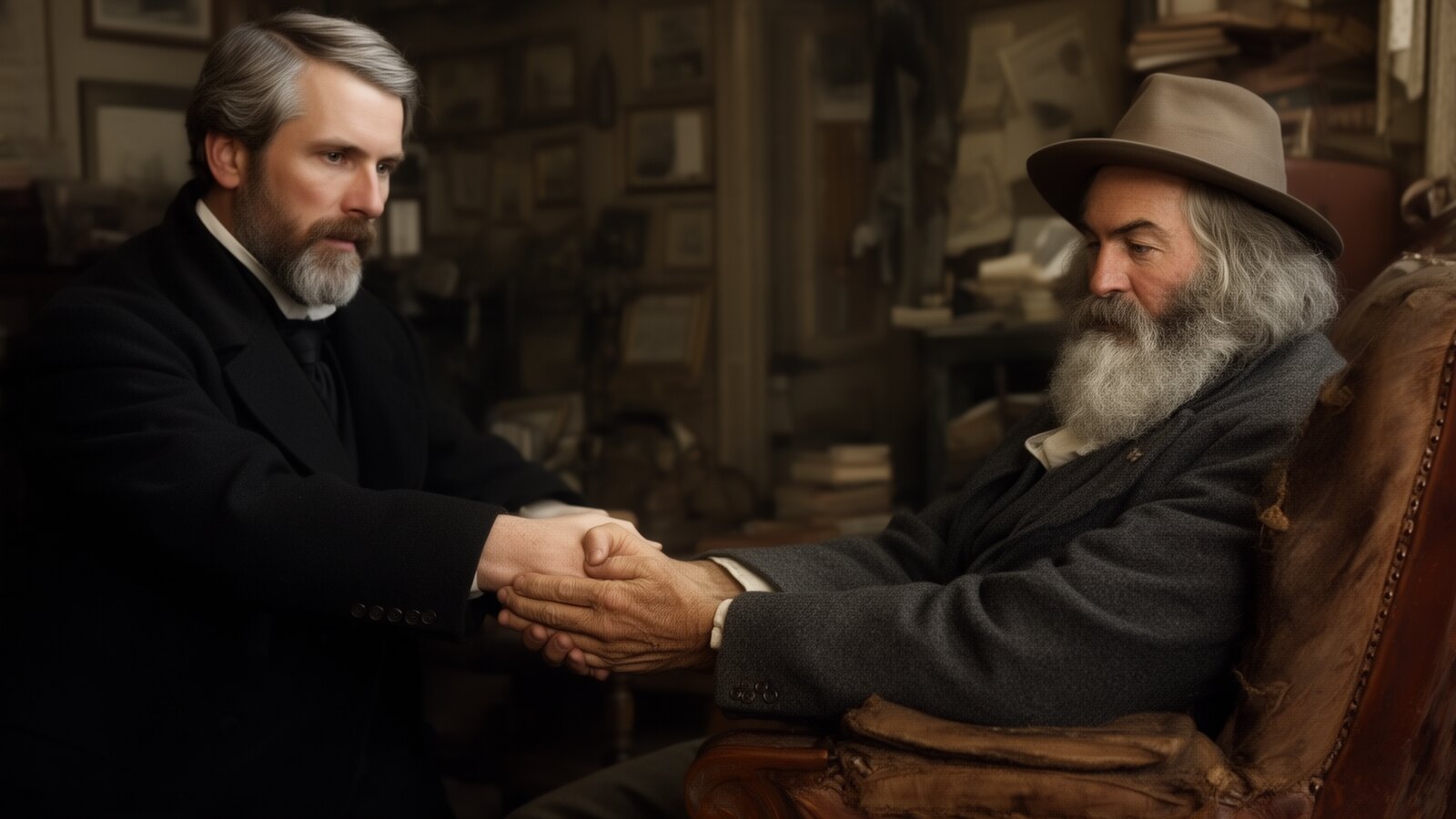
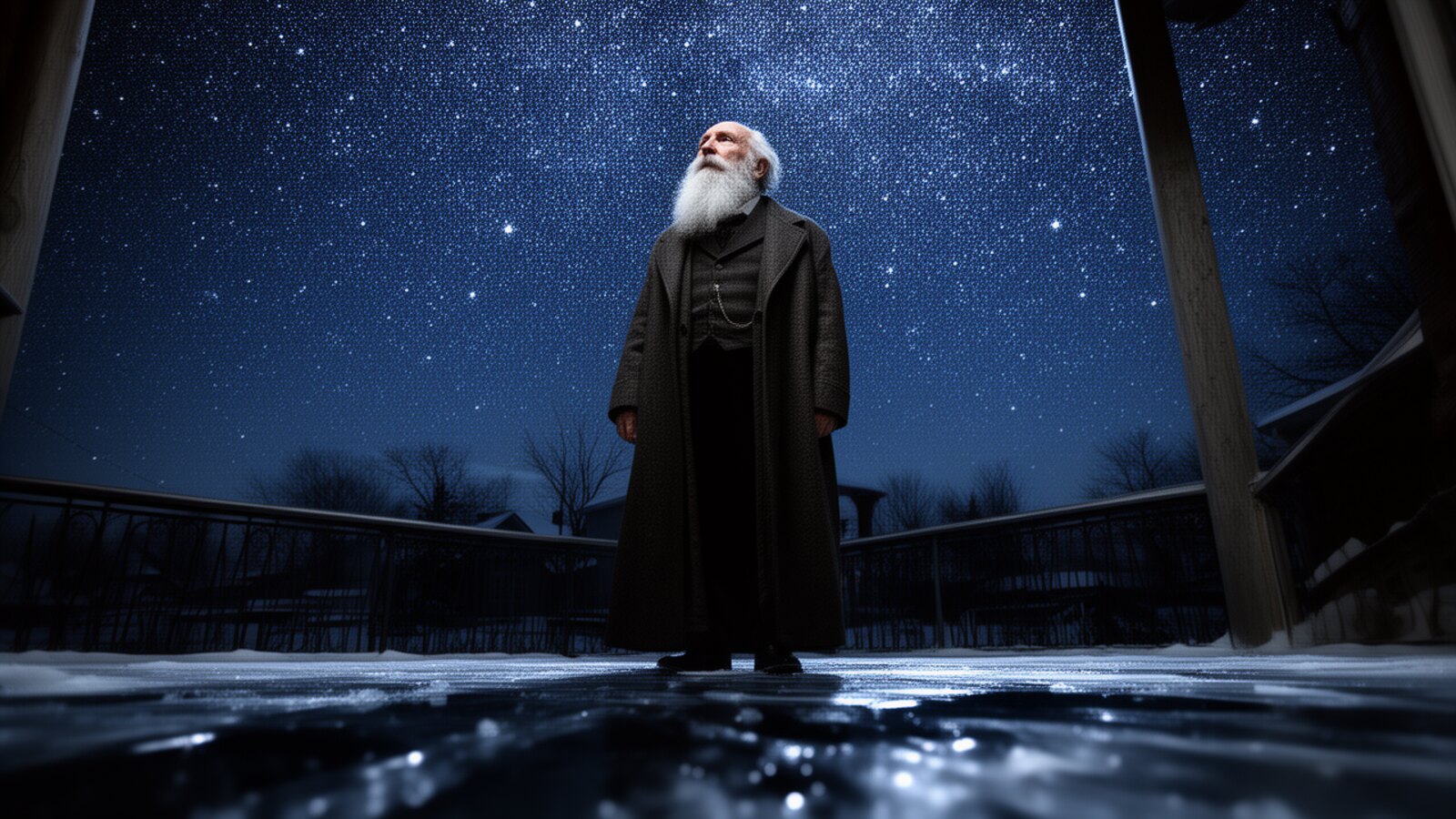
The Man Who Diagnosed Delusion
At fifty, Bucke ran the London Asylum for the Insane in southwestern Ontario, where nearly a thousand patients lived in stone wards under his authority. Day after day, he listened for the architecture of breakdown: sudden onset, absolute conviction, grandiose content, the conversion of inner pressure into a private revelation that nothing in the world could falsify. He had built his career on recognising that pattern. He logged each new admission himself, in pen, in the asylum office where the case books stood in stacks along the wall.
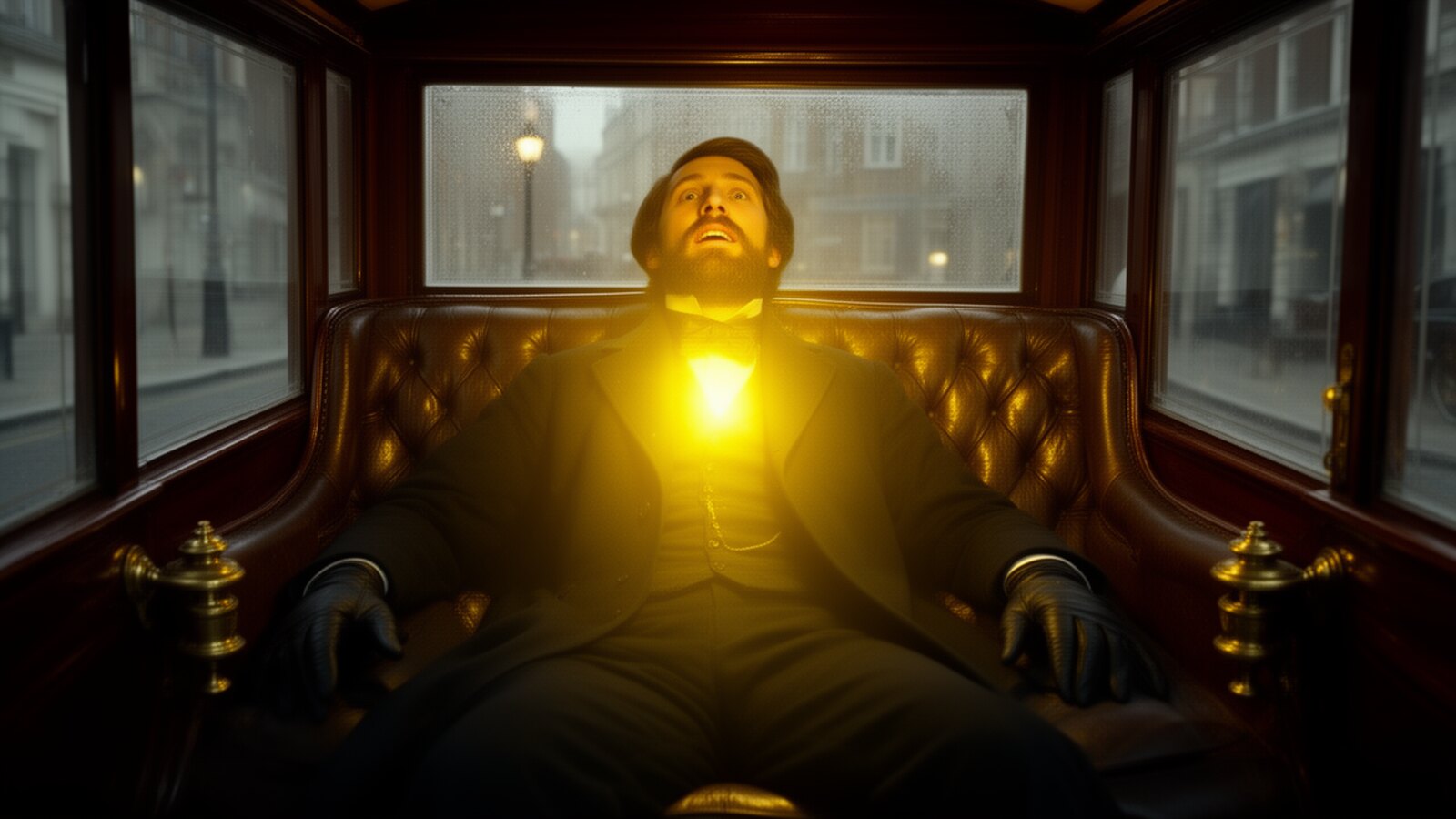
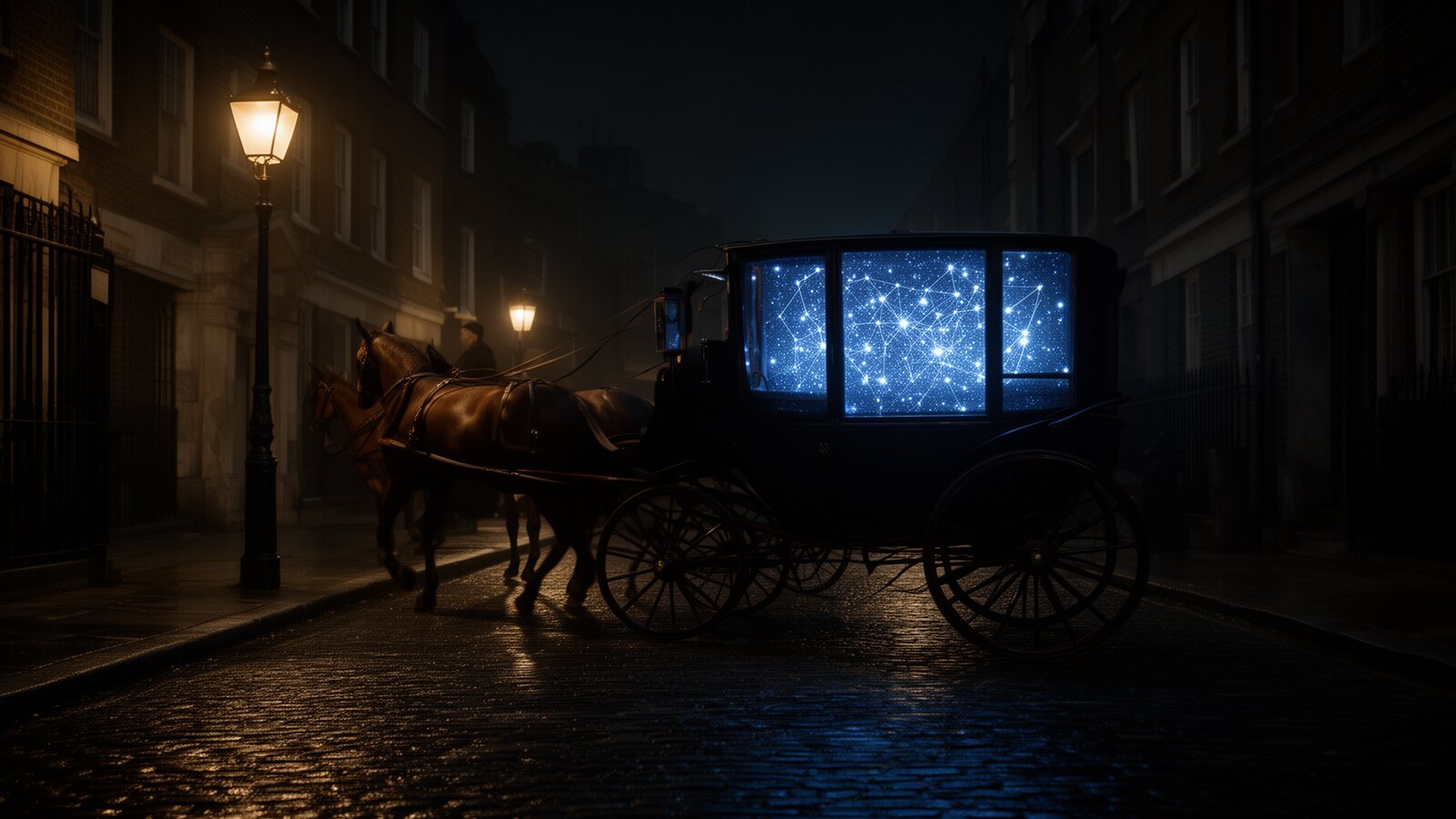
Something had happened to him as well. Bucke rode home through the gas-lit streets of London, England, one night in early spring 1872, in a hansom cab. A flame-coloured cloud filled the interior. In that same instant he knew, without argument, without prayer, without preparation, that the cosmos was alive, that the soul was imperishable, that love sat beneath every working of the world. He paid the cabman at his lodging door minutes later, the wheels of the cab still wet from the night street.
Positivist by training. Reader of Darwin and Tyndall. Gold medallist of his McGill medical class.
His remaining years were the record of a clinician trying to keep faith with his own evidence. Bucke spent thirty of them searching for language that could let an experience clinically indistinguishable from a psychotic break stand as something else: rare, recognisable, worth a map. He filled notebooks with cases, pulled biographies down from his shelves, and waited for a frame that would hold them. The book would not appear until 1901.