The arithmetic of five seconds
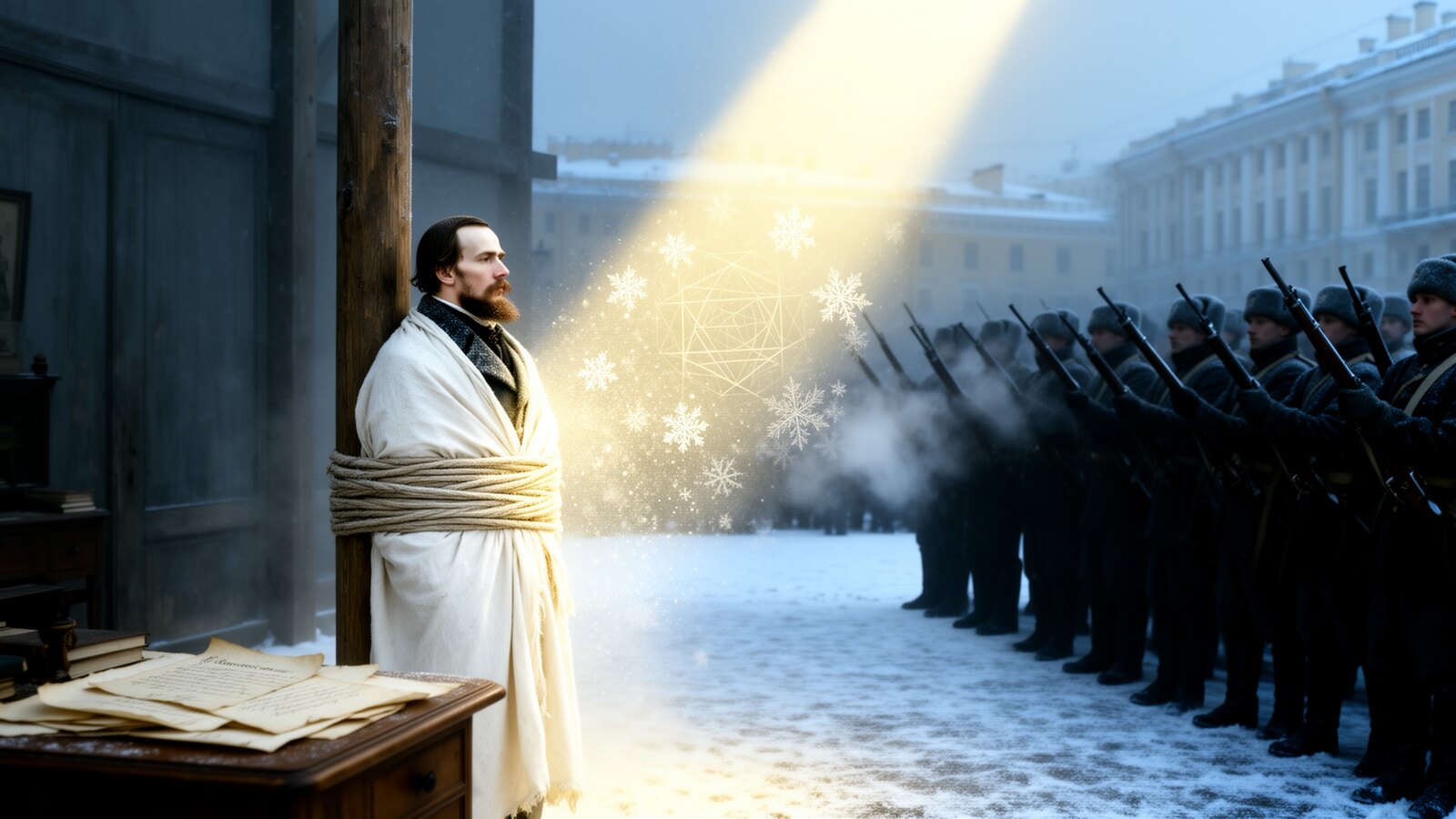
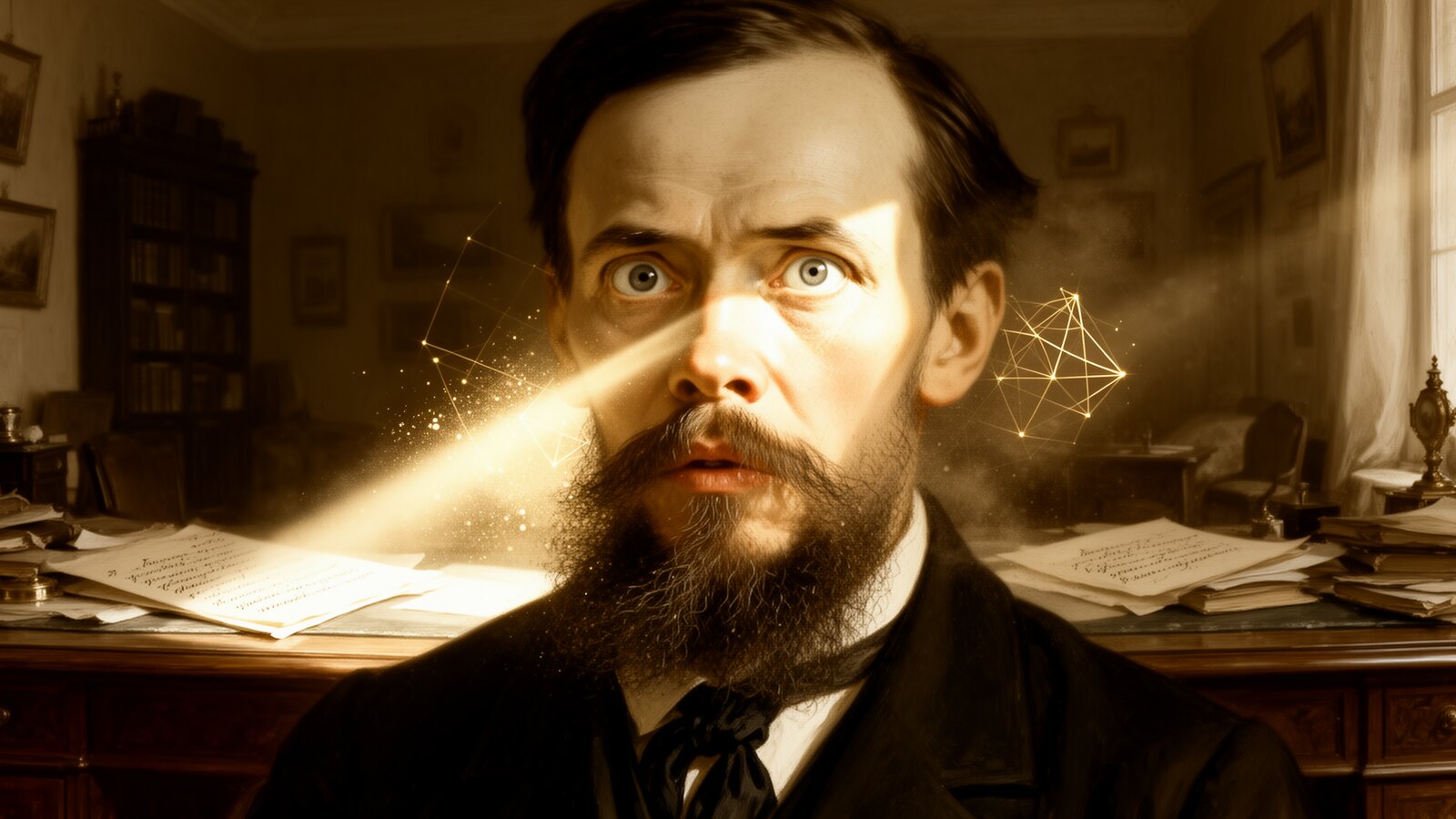
Fyodor Dostoevsky stood blindfolded on Semyonovsky Square in Petersburg on December 22, 1849, hood drawn, rifles raised, counting the seconds he had left to live. Drums broke the volley. A courier rode in with the Tsar's commuted sentence, and the prisoners were marched off in chains to Siberian katorga. He later wrote that those final minutes had been the happiest of his life, a sentence his fiction would spend thirty years trying to understand.
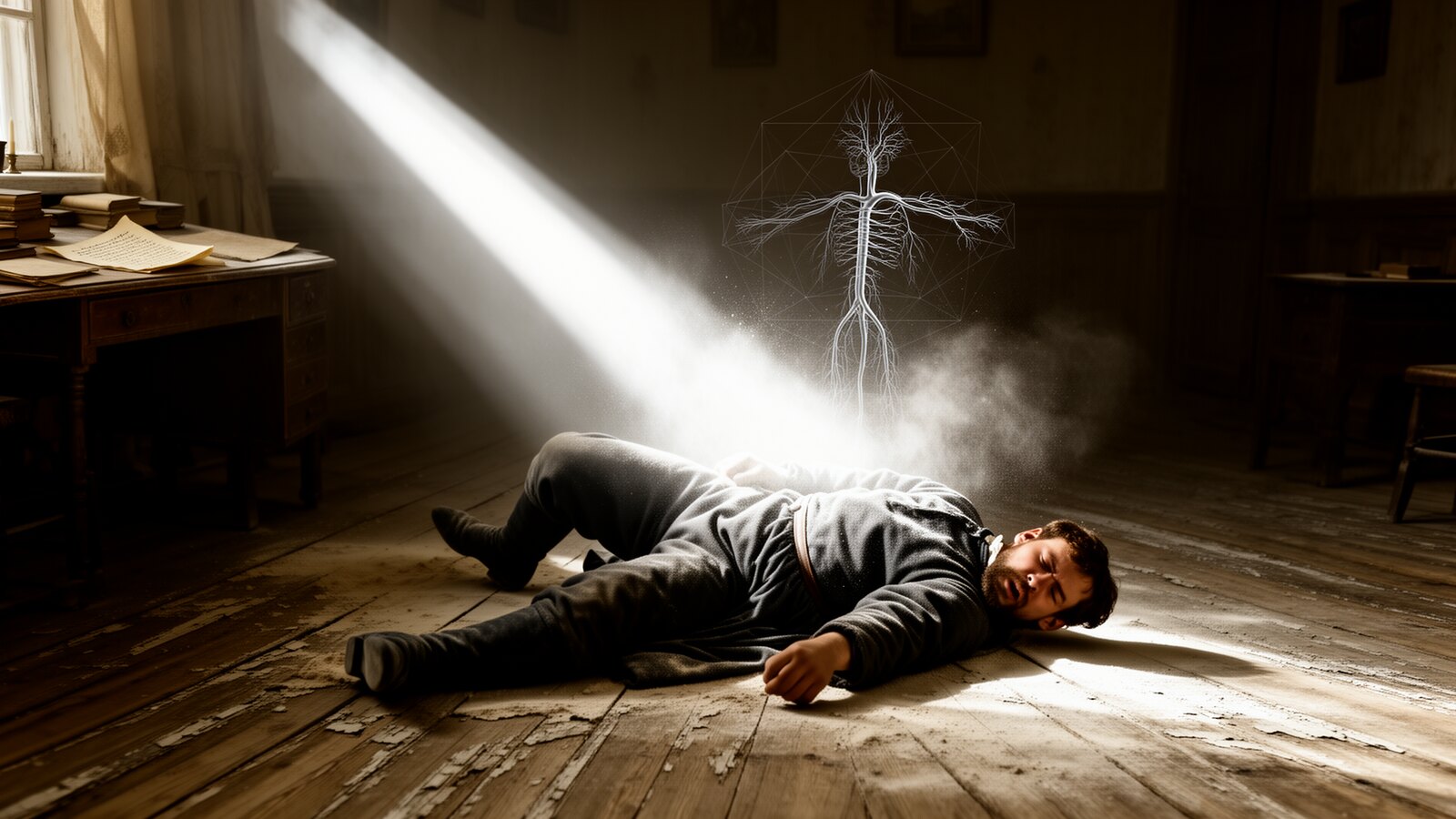
That arithmetic sits at the centre of the experience Fyodor Dostoevsky tried, for thirty years, to write down. Five or six seconds, never longer. A felt knowledge that nothing was missing from the universe and that nothing in the universe was alien to him. Then a scream he did not know he had made. Then the convulsion. Then a long fog of bedclothes and bitten tongue that ate the rest of the day.
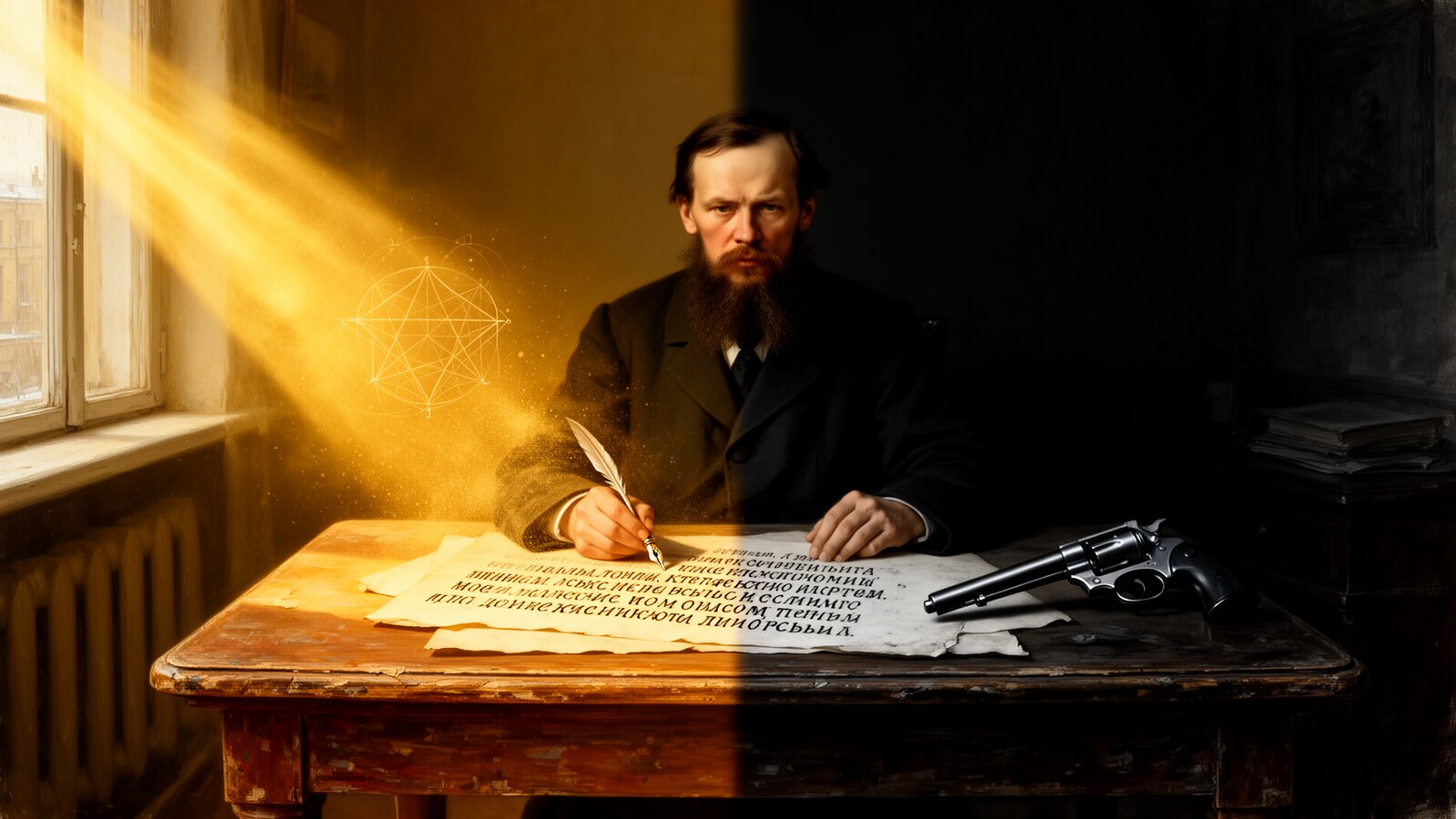
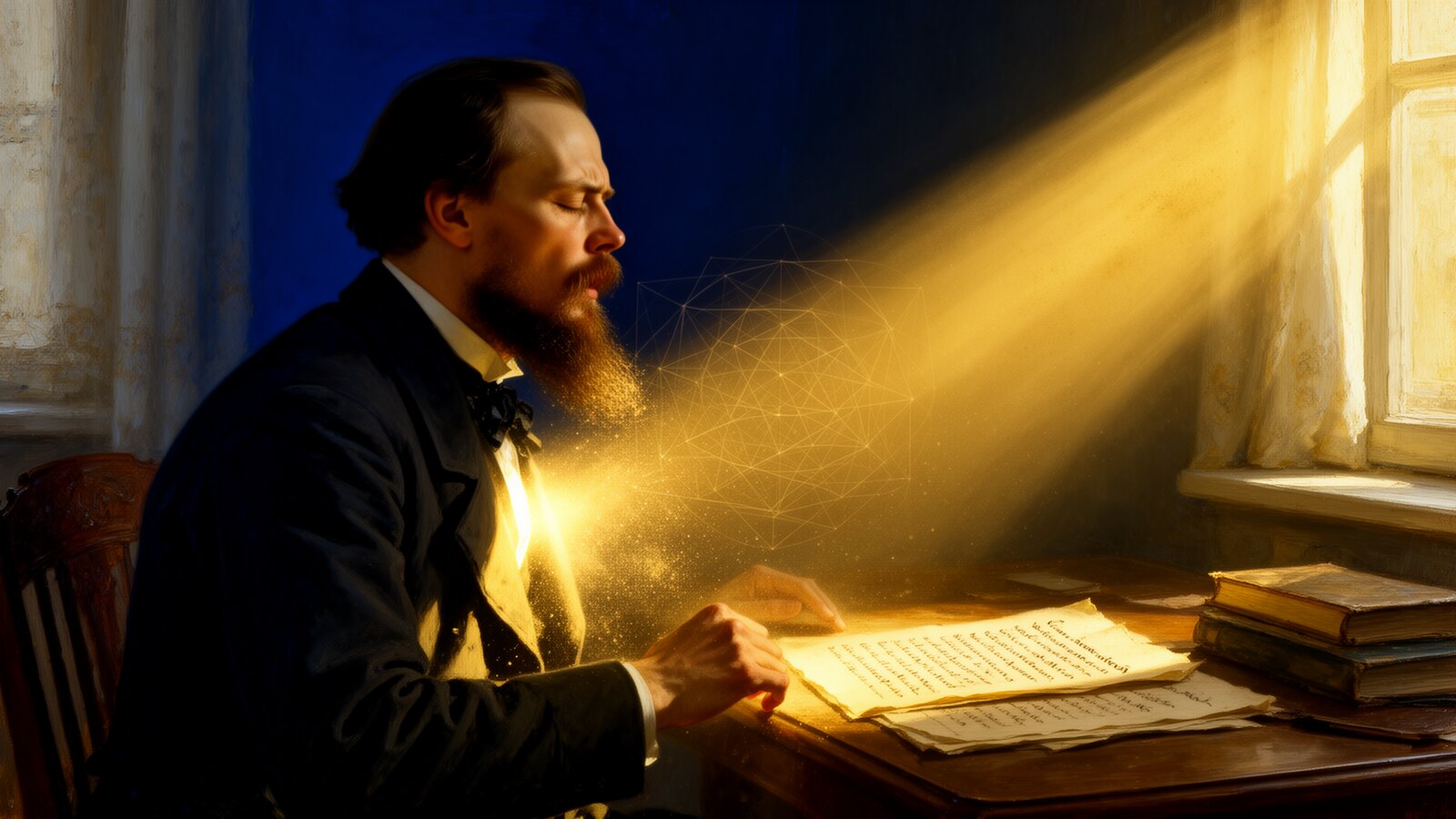
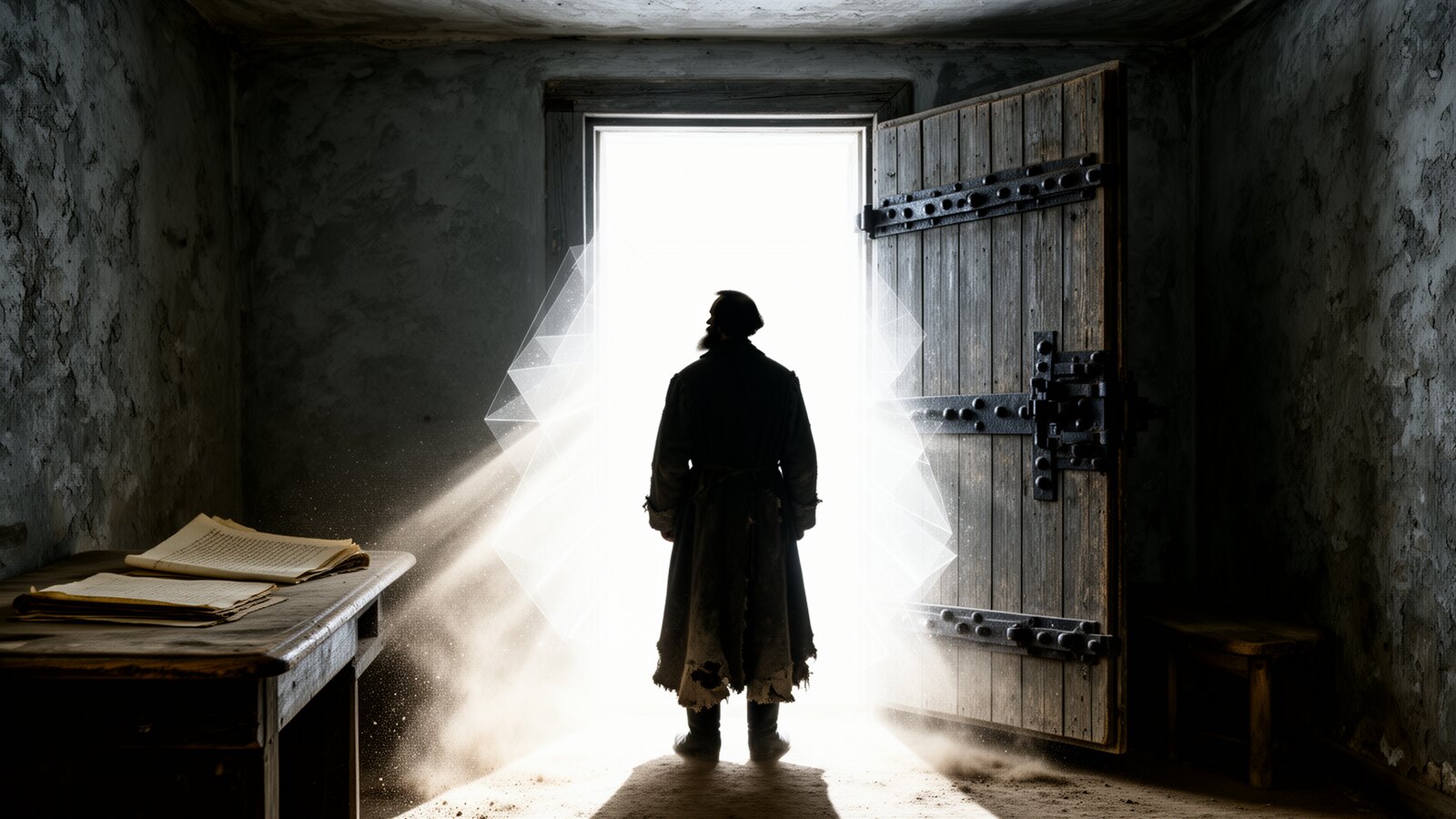
Five seconds is not very long, and a whole life is not very short. The bargain only makes human sense if those seconds are doing something the rest of life cannot do. They are not pleasure intensified, not even joy intensified; pleasure and joy still belong to the body that holds them. Seconds Dostoevsky describes seem to belong to a register the body cannot quite enter without breaking. He kept filling notebooks in cramped script, year after year, as though spending the remaining decades building a door wide enough that another reader might glimpse the brass of the lamp and the wood of the table on the other side.
This essay concerns that door, and what it cost the man who tried to hold it open.