The Twenty-Eight Notebooks
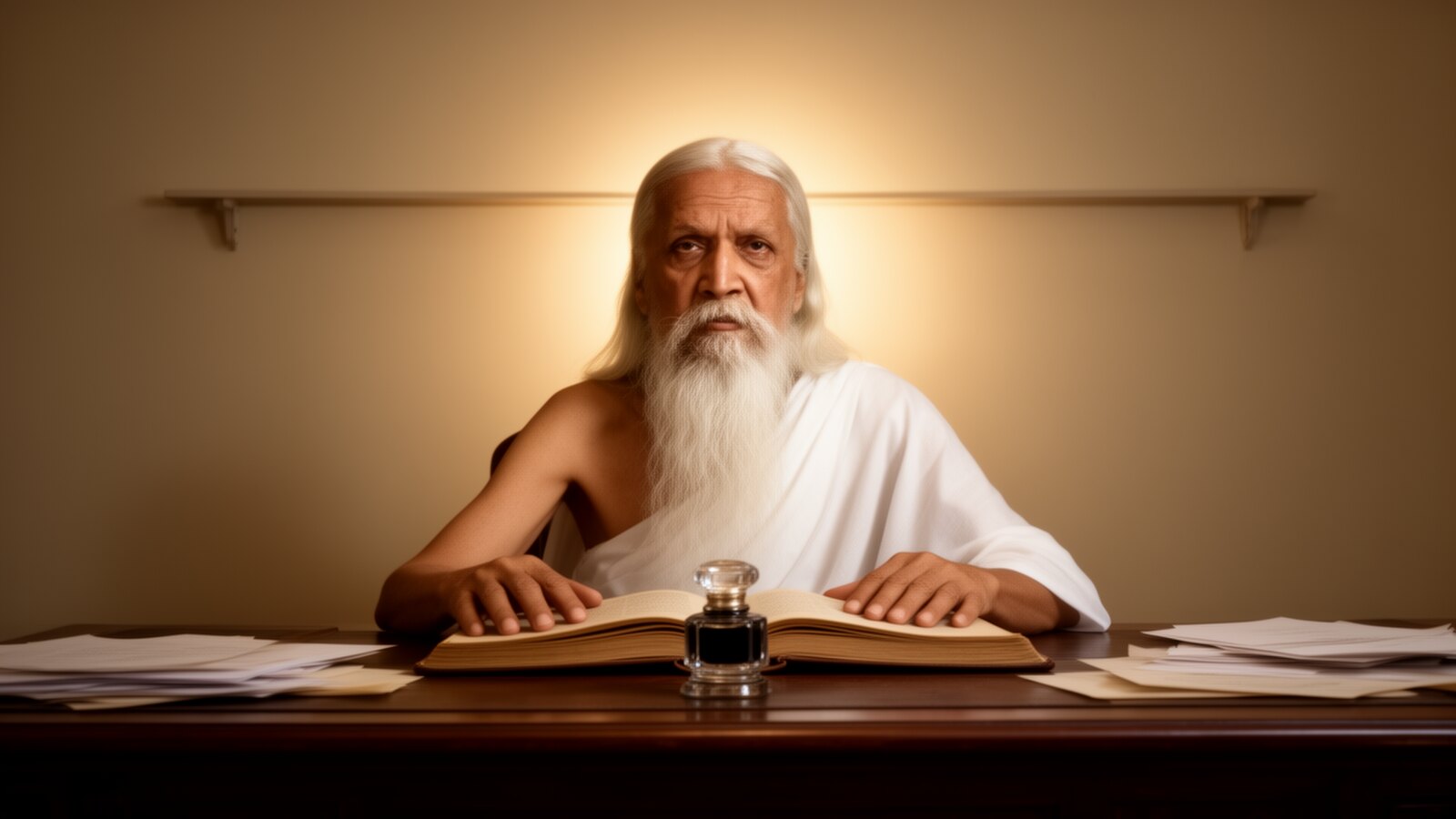
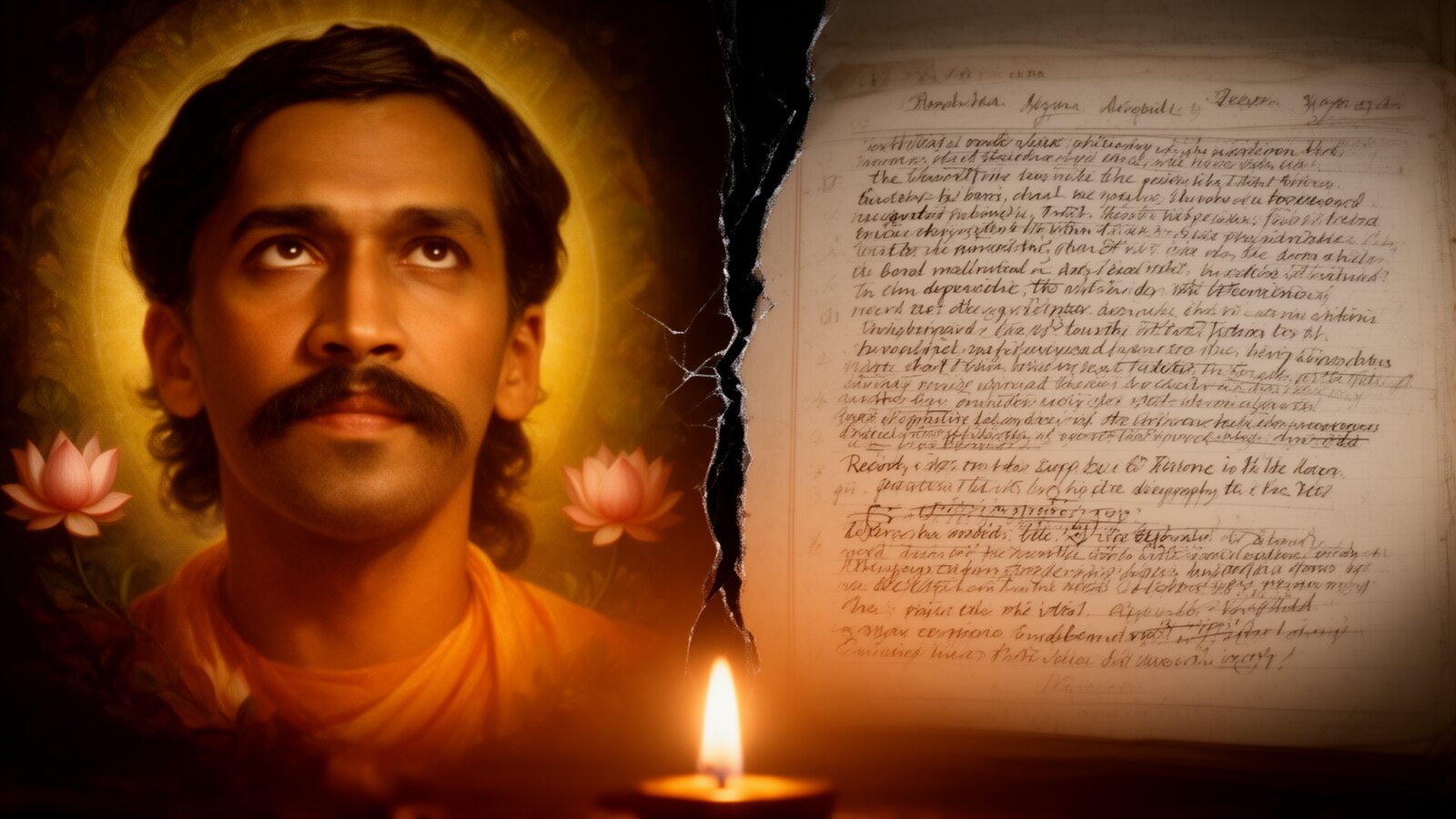
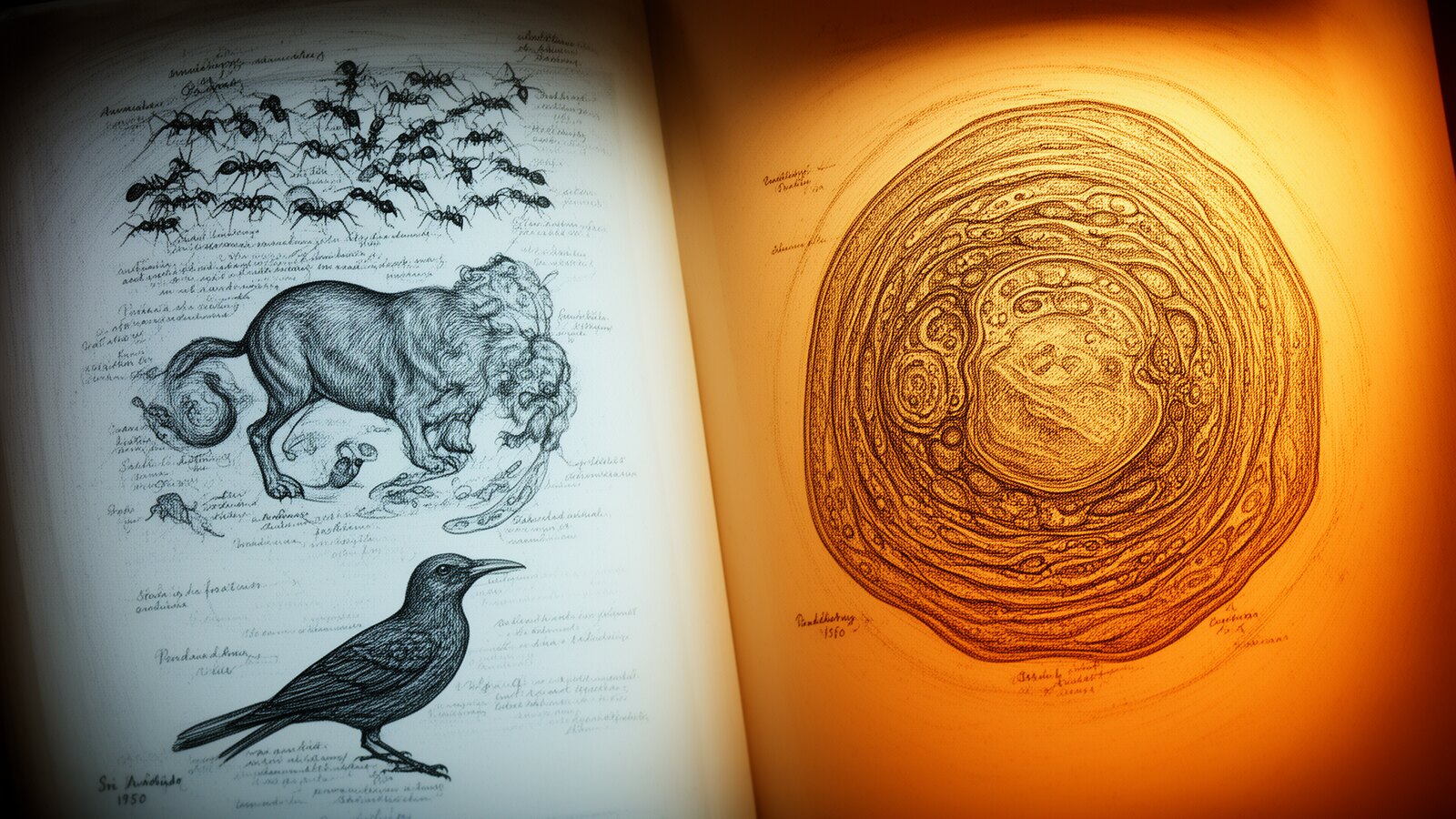
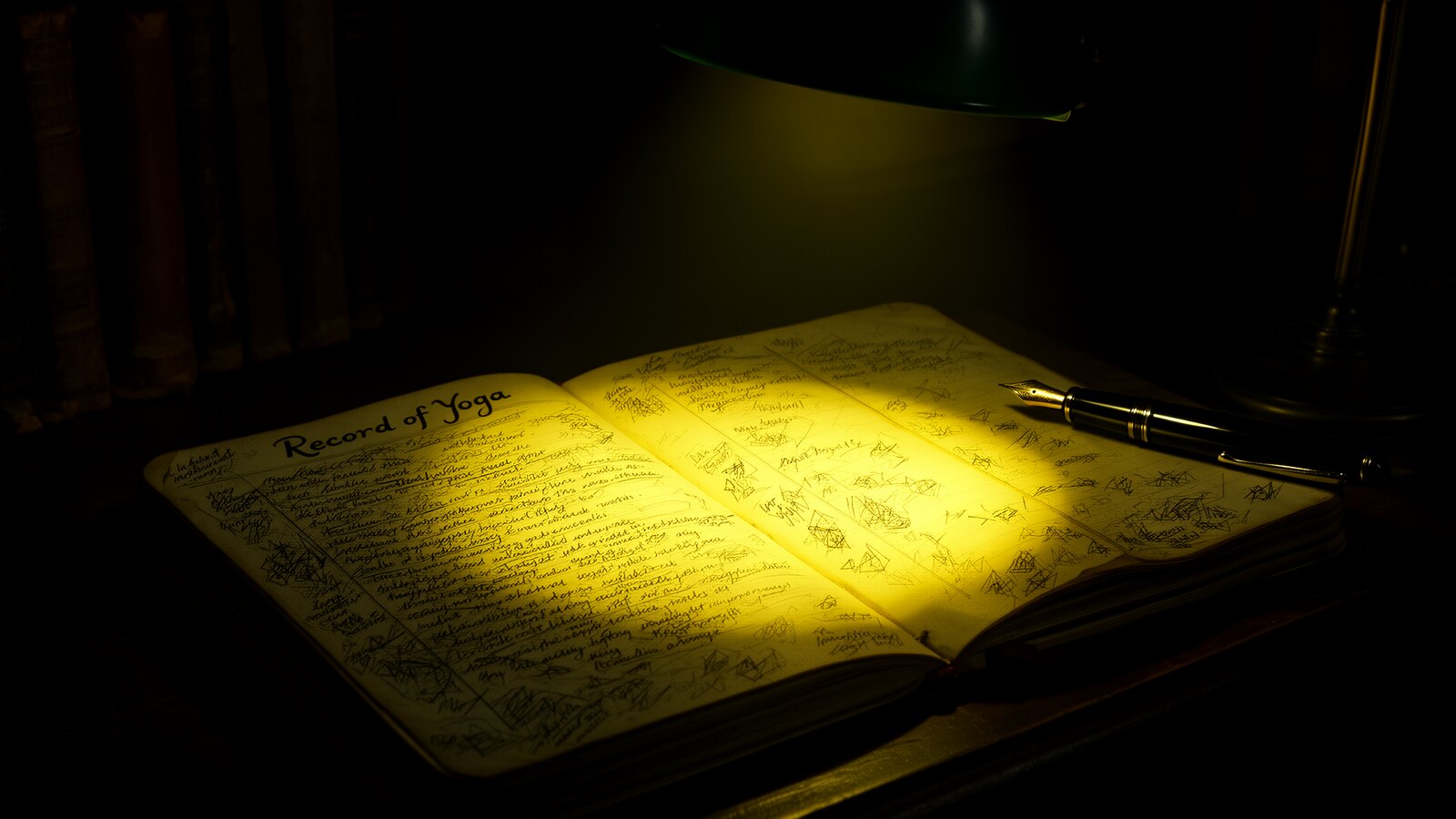
Sri Aurobindo Ghose walked free in May 1909, after a year in Alipore Jail awaiting trial for waging war against the British Crown, and opened a fresh exercise book. He titled it Record of Yoga. Inside, the Cambridge-trained revolutionary logged visions, fevers, and silences in dated entries, with abbreviations, sub-scores, and corrections, the way a chemist logs a titration. The mystic kept lab notes.
Sri Aurobindo kept the notebooks for roughly seventeen years, between 1909 and 1927, as a daily operational log of inner experiments. Visions. Failures. Timed postures. Powers gained one morning and lost the next. Handwriting small and economical, as if the paper were rationed. Dates marching forward without ceremony.
Twenty-eight cheap exercise books sit at the centre of his life.
Biographies of Aurobindo usually open in a prison cell, or on a ship to France, or at a Cambridge college where a Bengali boy read Greek aloud. The notebook is treated as a footnote, a curious fact about a saint. It deserves the foreground. The cell is where he became silent. The notebook is where he kept his accounts. To know what he did with forty years of inner life, you go to the working object: twenty-eight ruled exercise books shelved in Pondicherry.
His script is part of the strangeness. He wrote in a private shorthand of his own making, mixing English clauses with Sanskrit technical terms, trikaldrishti for triple-time vision, vyapti for telepathic transmission, aishwarya for the will exerted on another being. The vocabulary was already calibrated for what he was trying to measure. He did not improvise. He reached for words the Upanishads had carried for two thousand years.
He pushed that vocabulary into a use no scripture had asked of it. He did not write to remember. He wrote to track.