Why a Boy Couldn't Tell Wood From Air
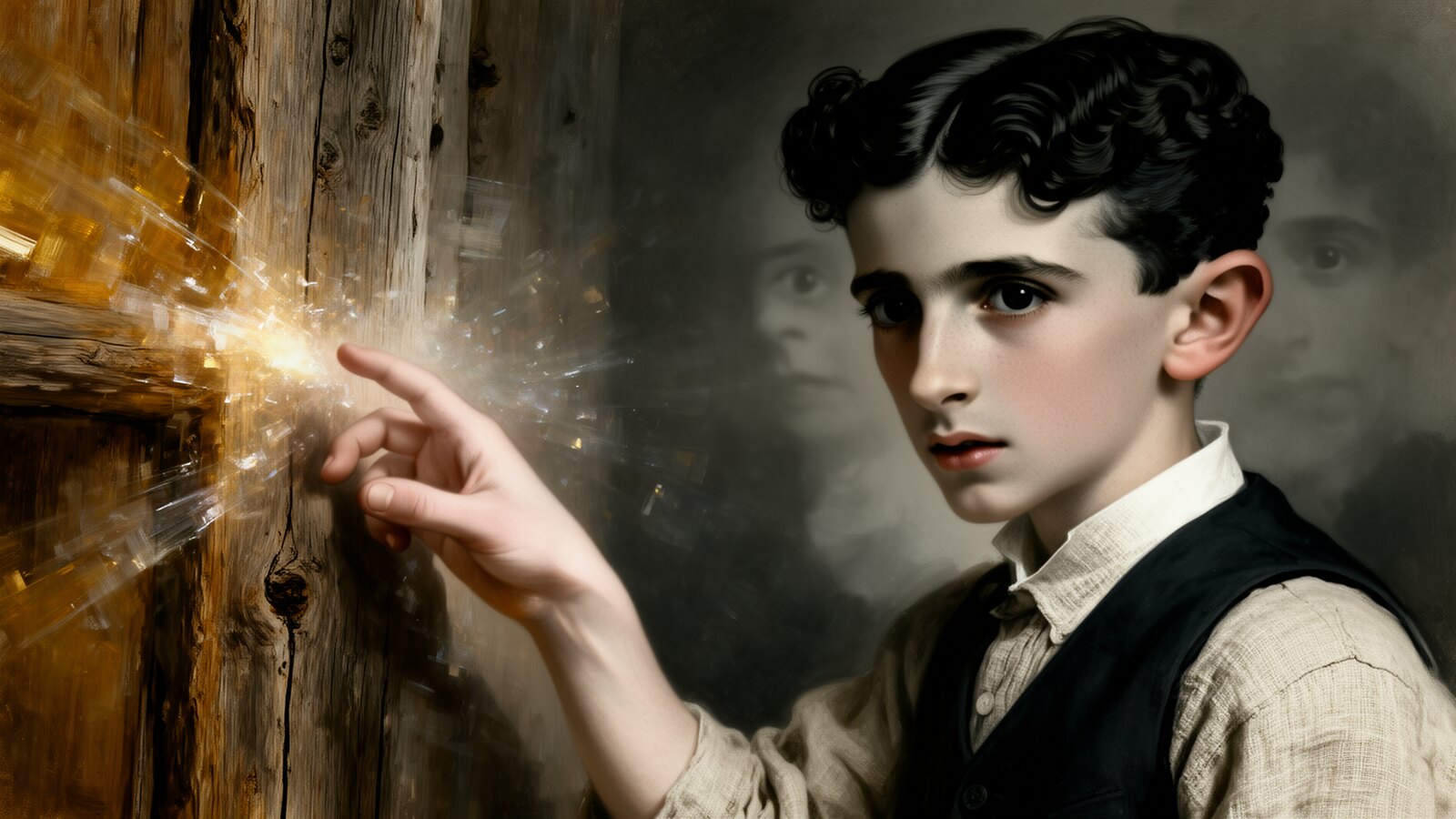
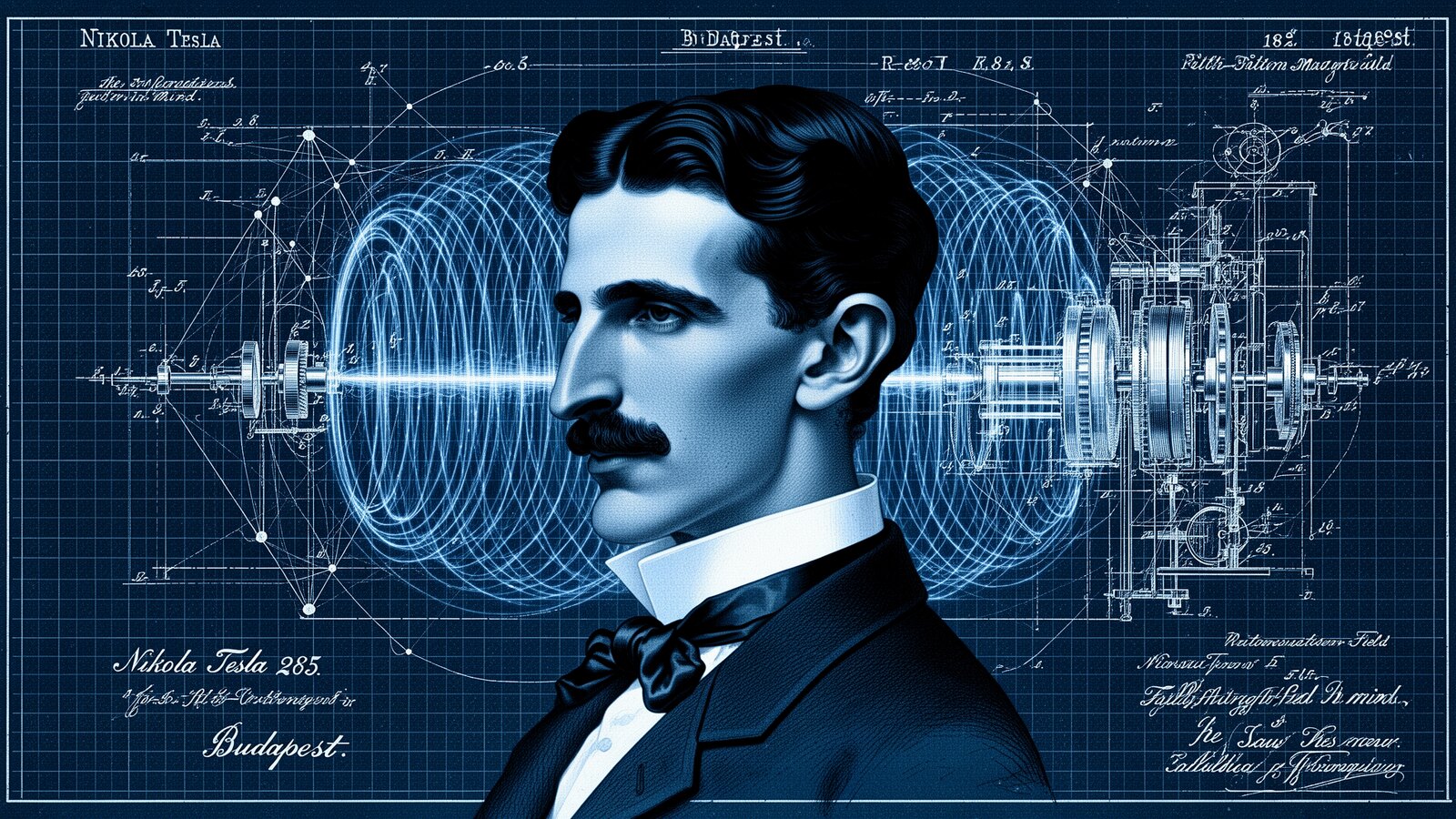
A sheet of light tore across the room in Smiljan before three-year-old Nikola Tesla could see the cat on his lap. Flashes arrived unbidden, lasting weeks, with apparitions so vivid he could not distinguish them from the wood, brass, and lamp glass in front of him. His parents feared a diseased brain. Tesla called this affliction, decades later, the foundation of the mental laboratory in which he built every machine.
He set this down himself in a memoir serialised for a New York magazine when he was already an old man. Flashes had begun after the death of his older brother, Dane. They arrived first as light, as if a lamp had been struck behind his eyes, and then as shapes that took up room. A horse he had not yet seen. A face he could name. A line from a book he had only glanced through. Images flooded the room without permission, doubling the cat, the iron stove, the rough plaster of the kitchen wall.
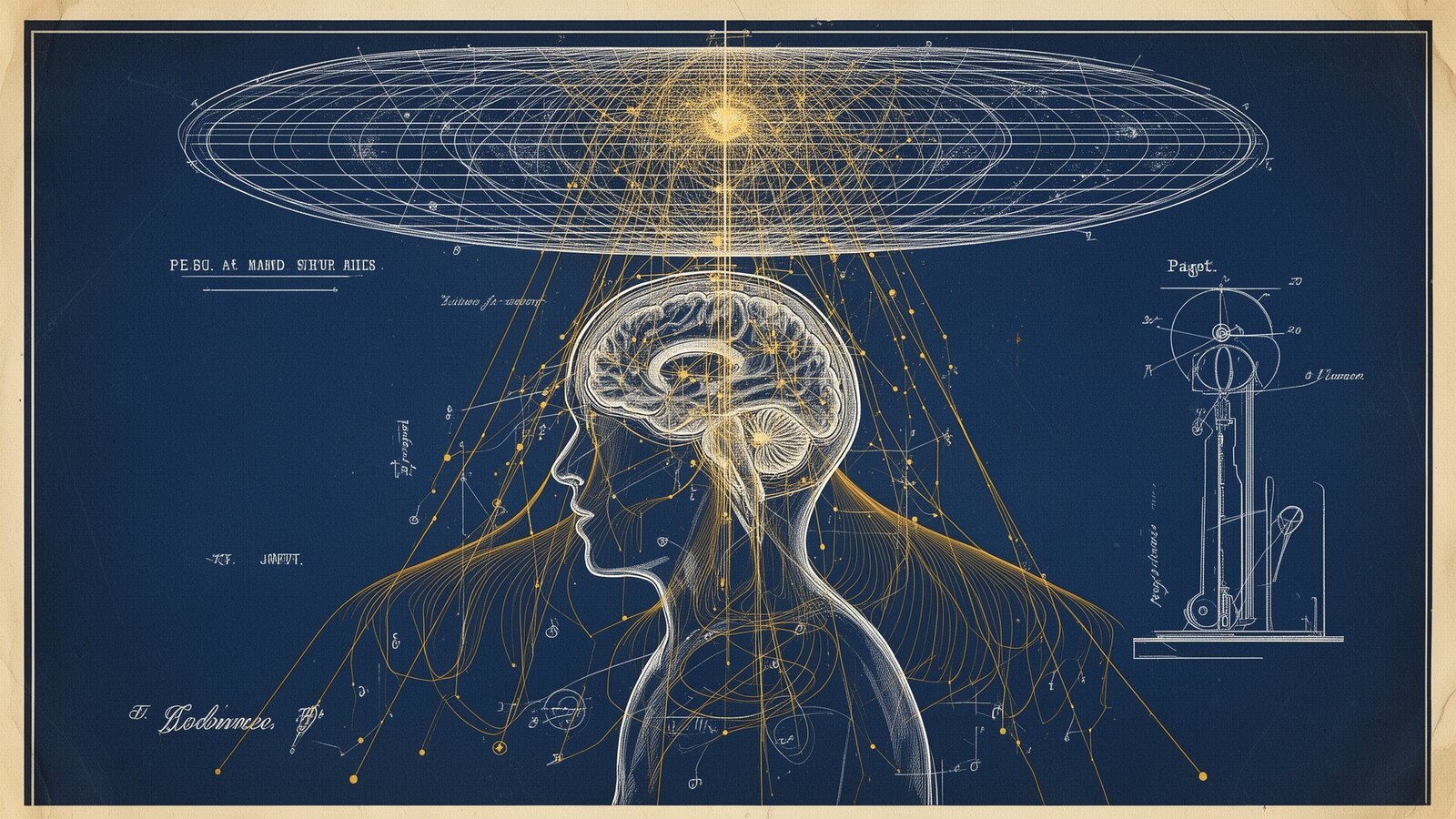
The plain word for this is intrusive. Clinical words crowd in later: hyperphantasia, eidetic imagery, photism, certain rare presentations of childhood epilepsy. None of them have been settled on. No doctor, then or since, has named what the boy at Smiljan was actually seeing across his lap, the rough plank table, the oil lamp burning in the corner of the kitchen.
What can be said is what the boy himself reported. He could not, at first, tell the inner picture from the outer object.
The room flooded.
Sit with that for a moment before reaching for any explanation. Picture a child whose ordinary five-second look at a table summons, in the same field of view, a second table. This gift arrives first as a terror. There is no ground. He sees iron stove, stacked firewood, bowl of black bread, each doubled inside the same kitchen.