The sentence she could not put down
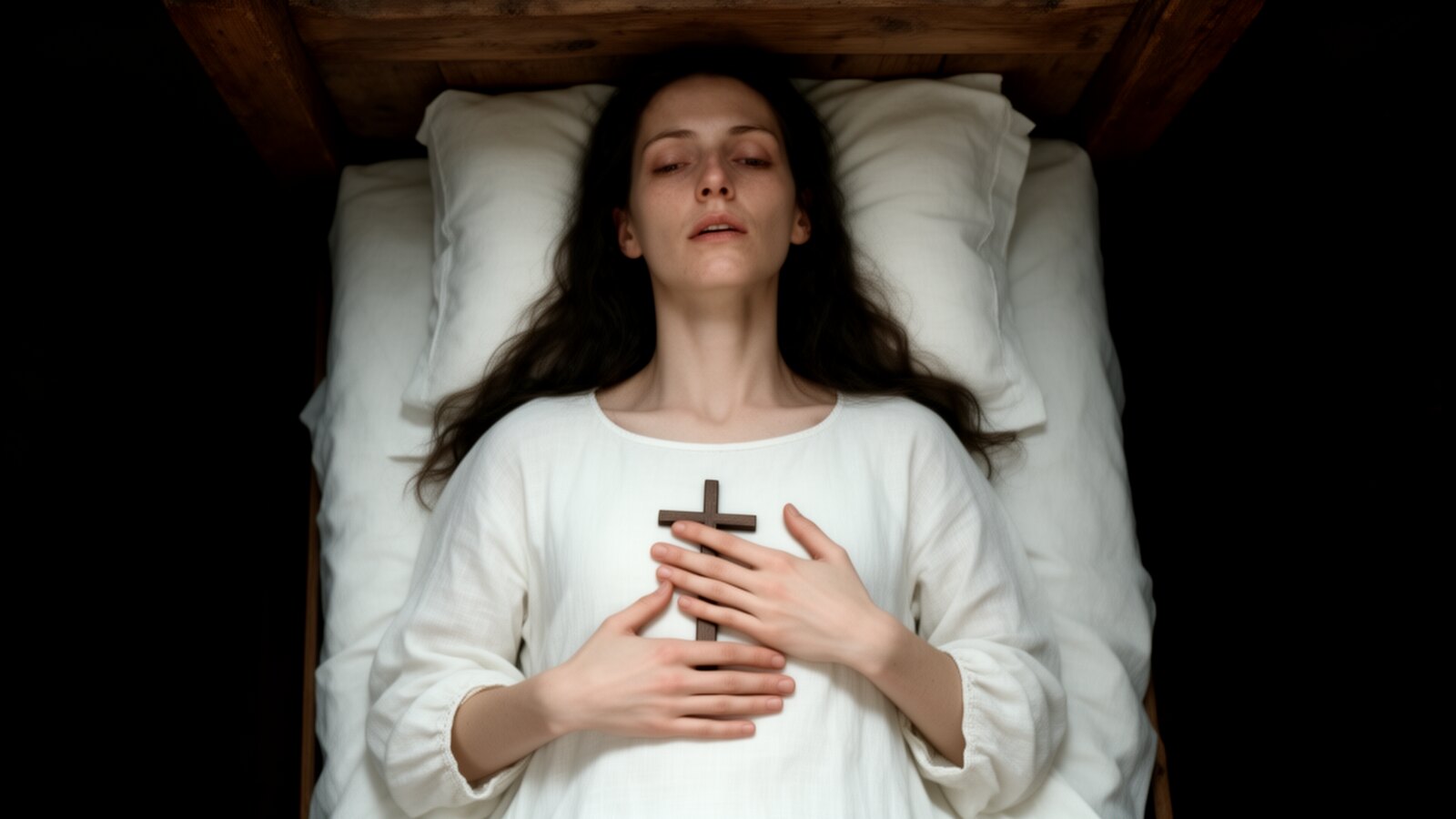
A thirty-year-old woman in Norwich lay dying in May 1373. She watched a crucifix bleed for several hours and recovered convinced that sin was "behovely" and that no soul she loved would be lost. The Church around her preached hell without remainder. Julian, soon walled into a cell beside St Julian's Church, spent the next twenty years refusing to choose between the two.
She had asked for this. Months earlier, she prayed for an illness so severe she would receive last rites and believe herself to be dying, then recover. She wanted to know what the hour of death felt like from the inside. The prayer was granted exactly.
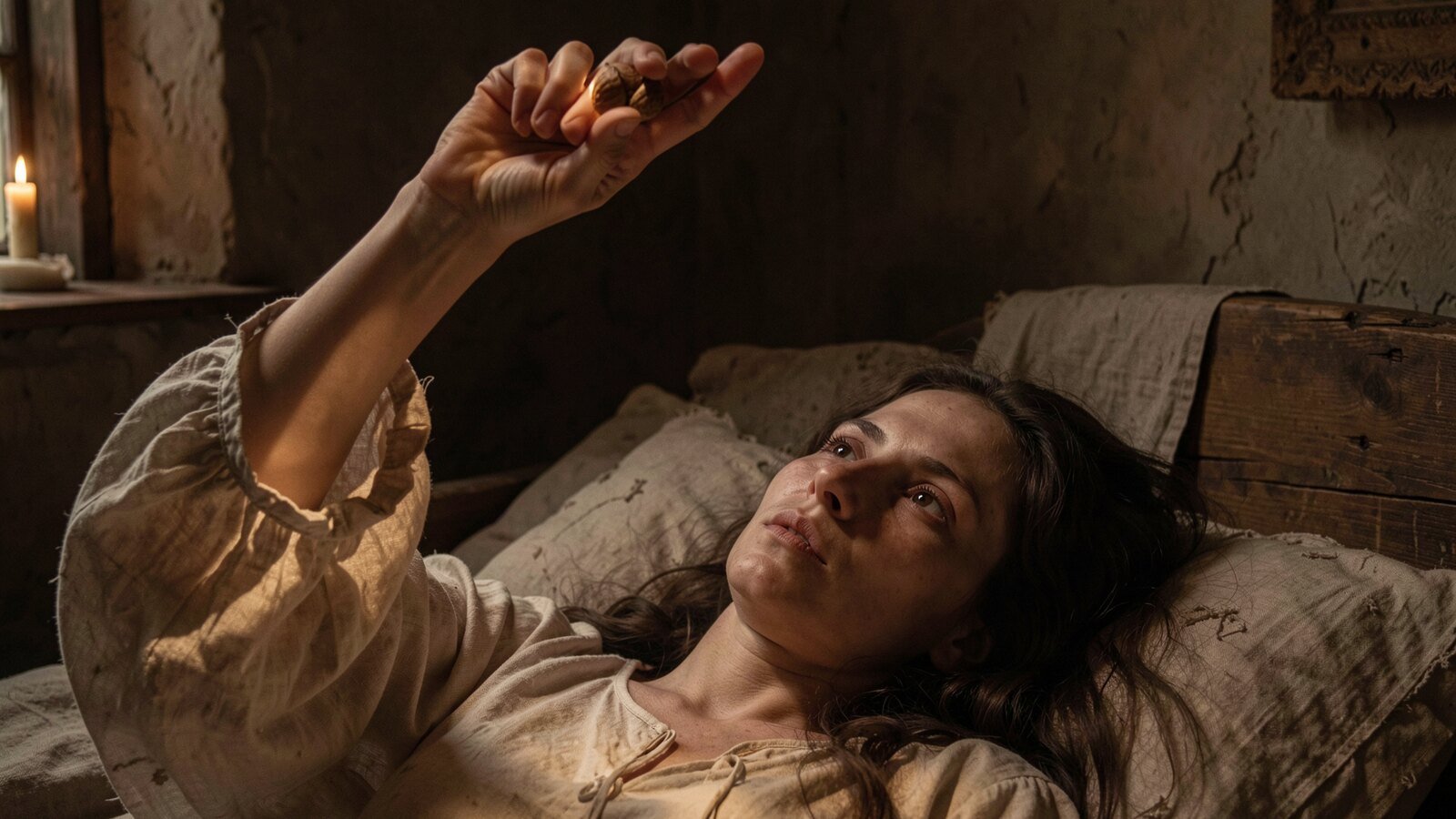
What happened next she would spend the rest of her life trying to understand. She received sixteen visions over the course of a single day and night. She called them shewings. She would later write two books about them, separated by roughly twenty years of silence, and at the end of all that work she would set down one sentence as the only thing she could say with certainty.
Love was his meaning.
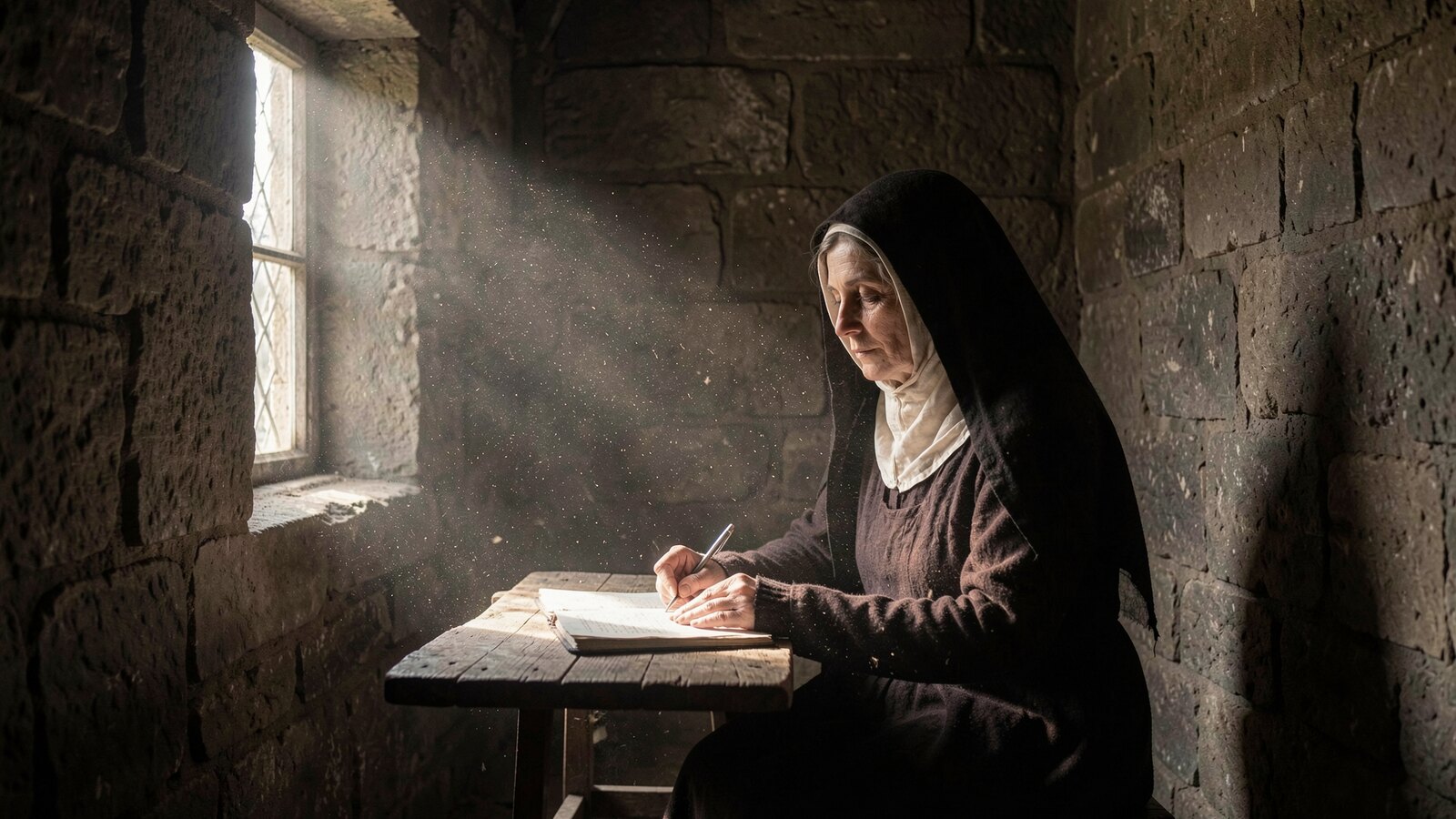
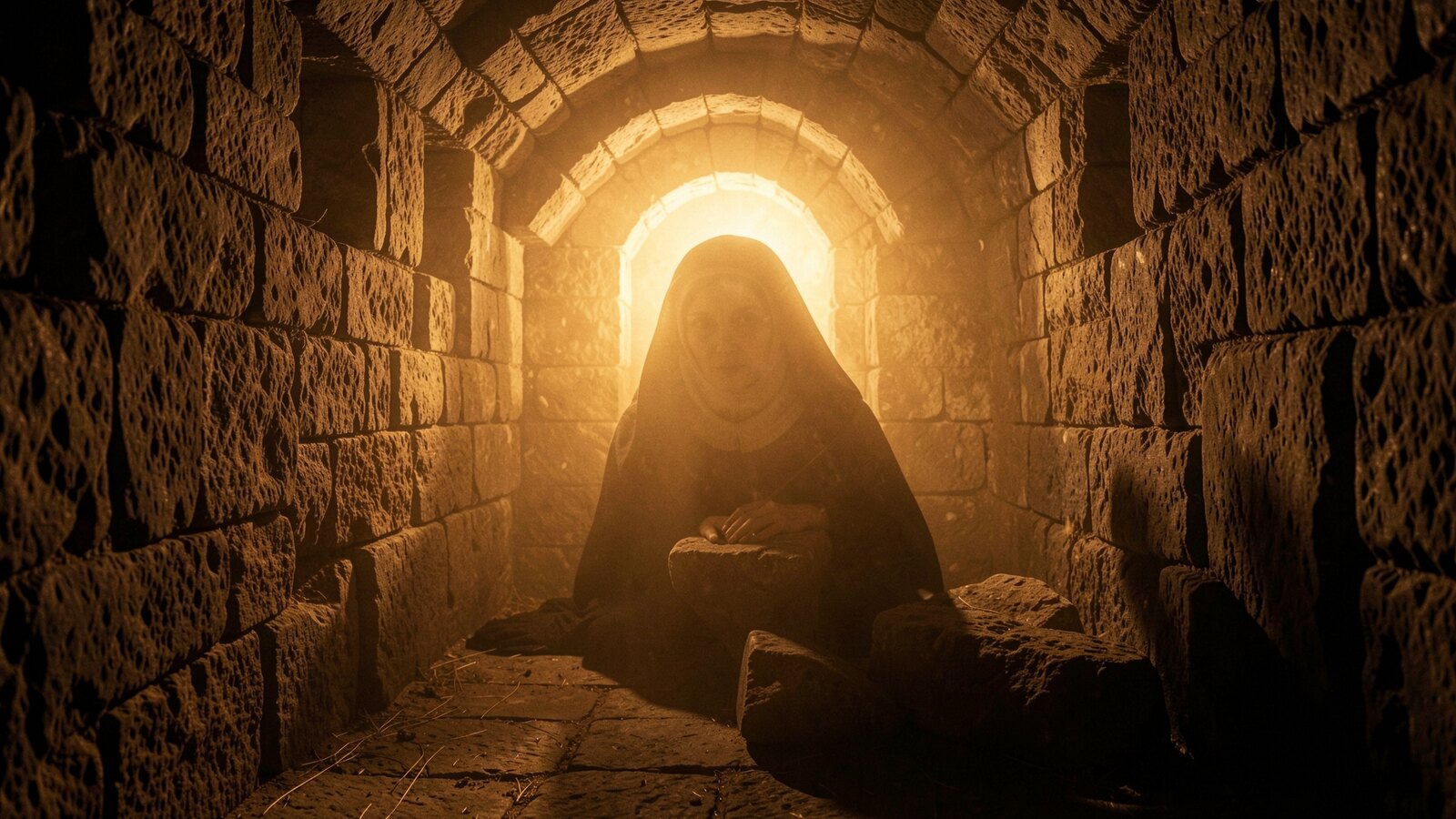
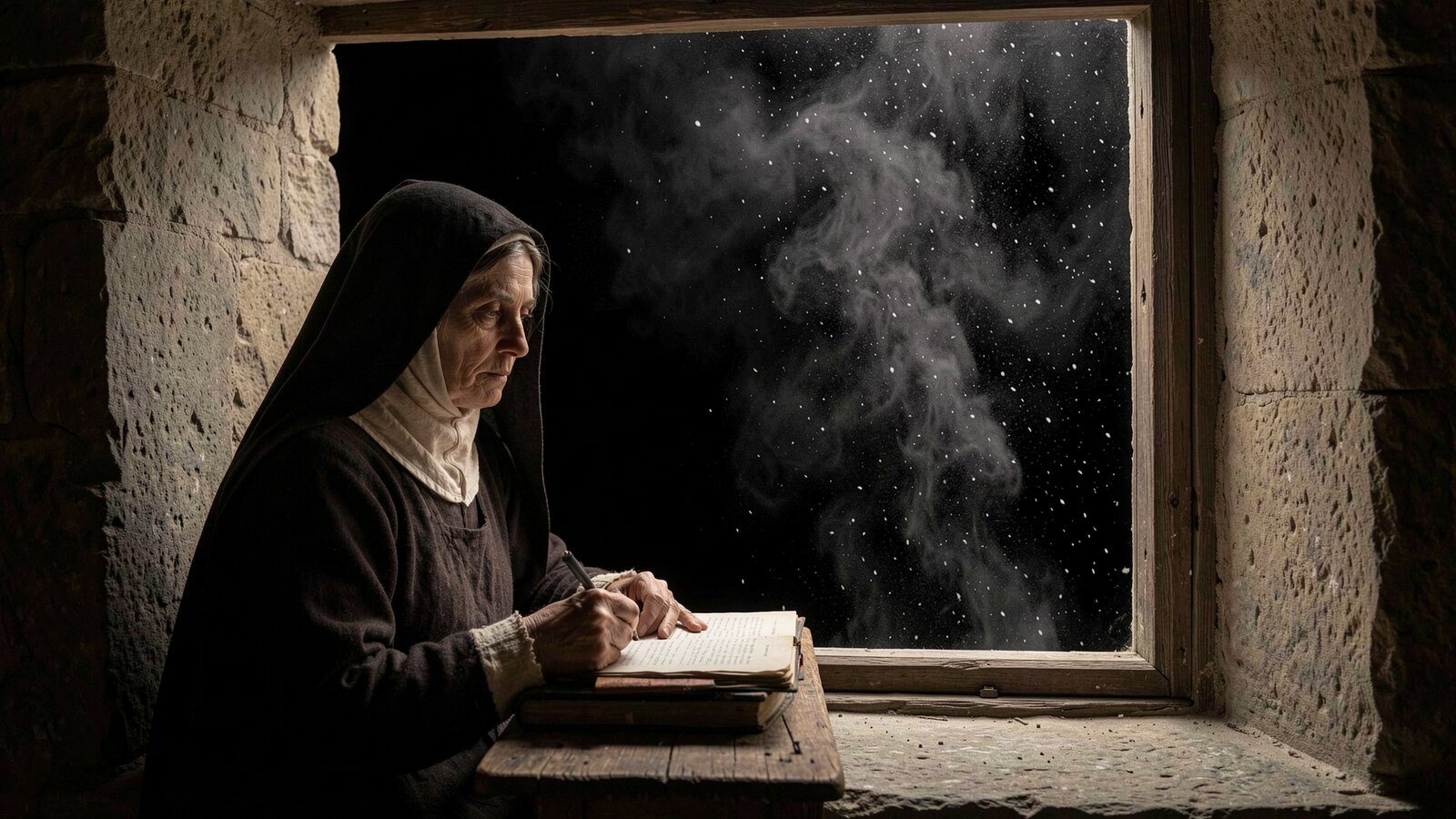
This essay is not about the visions, exactly. It is about what she did with them. The work is the discipline of holding a sentence you cannot reconcile with everything you have been taught, and refusing for two decades to let either side win. Her instruments were practical: a stone cell twelve feet across, a squint cut through the church wall, a parlour window covered in black cloth marked with a white cross, a floor hatch for bread and waste, and the daily office sung beyond the wall. The question she leaves with us is not theological. It is whether an ordinary life can sit beside that squint for twenty years and not look away.